Hello everyone. After caring for countless furry companions and their owners, I’ve noticed one trouble plaguing nearly every French Bulldog parent: mealtime looks like a battlefield, and the floor stays a mess after every meal. These little pups dash toward their bowls in a rush, and within a few bites, the bowl tips over, scattering dog food everywhere. Do you spend time cleaning up spilled kibble every single day, feeling upset about wasted food and annoyed by tedious cleanup work? Today we’ll dive deep into how to choose a sturdy, stable feeding bowl for your French Bulldog that stays put, making mealtimes calm and neat.
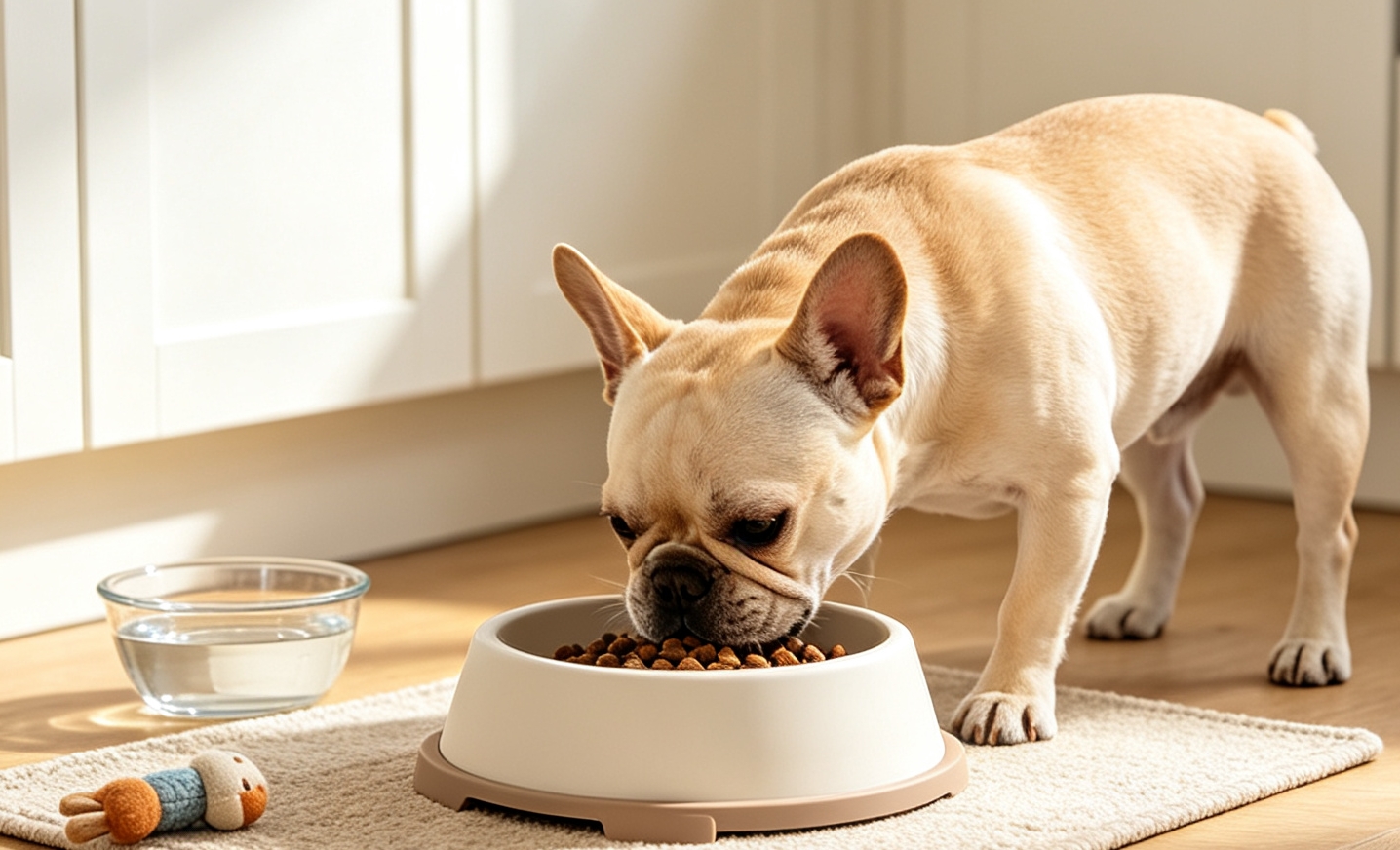
Why Are French Bulldogs Natural "Table Bulldozers"?
To fix the problem, we first need to understand its source. French Bulldogs don’t tip bowls just to misbehave—this issue stems from a mix of their unique physical build and innate feeding habits.
1. Distinct Body Structure: French Bulldogs are classic brachycephalic flat-faced dogs. Their line of sight and feeding angle differ drastically from long-snouted breeds. To reach food, they often nudge and push the bowl with their nose or entire head; this downward pushing force easily slides lightweight bowls across the floor.
2. Impulsive, Fast-Eating Temperament: Most Frenchies are extremely food-motivated and scarf down meals at top speed. Hasty, forceful eating paired with rapid head shakes and pawing creates massive instability that knocks bowls over.
3. Low Body Frame With Forward Weight Bias: French Bulldogs have stocky builds and short legs, with their center of gravity low and shifted forward. When they lower their heads to eat, their body weight presses forward naturally. Without enough anti-slip grip or heft, the bowl gets pushed ahead by their chest and eventually tips.
I once worked with a client whose Frenchie named Potato slid his bowl all the way from the kitchen to the living room during every meal, like playing curling. The owner tried all kinds of pretty ceramic and plastic bowls with zero success. Only after addressing the root causes above did the problem get fully resolved.
3 Practical Solutions to End Bowl-Tipping Disasters
With these root issues clear, our core bowl selection principles are straightforward: boost stability, slow down eating speed, and accommodate flat facial anatomy. Below are three proven solutions drawn from my hands-on experience.
Solution 1: Pick Heavy-Duty Non-Slip Non-Tip Bowls With Solid Base
This is the most direct and effective fix. A qualified spill-proof, tip-resistant bowl must meet these standards:
1. Wide Base With Heavy-Duty Non-Slip Mat: Wider floor contact equals better stability. The silicone or rubber non-slip pad on the bottom is critical—it must grip tightly to tile, hardwood or carpet flooring. I recommend testing traction manually by pushing the bowl across a flat surface. When selecting demonstration bowls for my clinic, I always test them on smooth exam tables; only bowls that cannot be slid count as qualified.
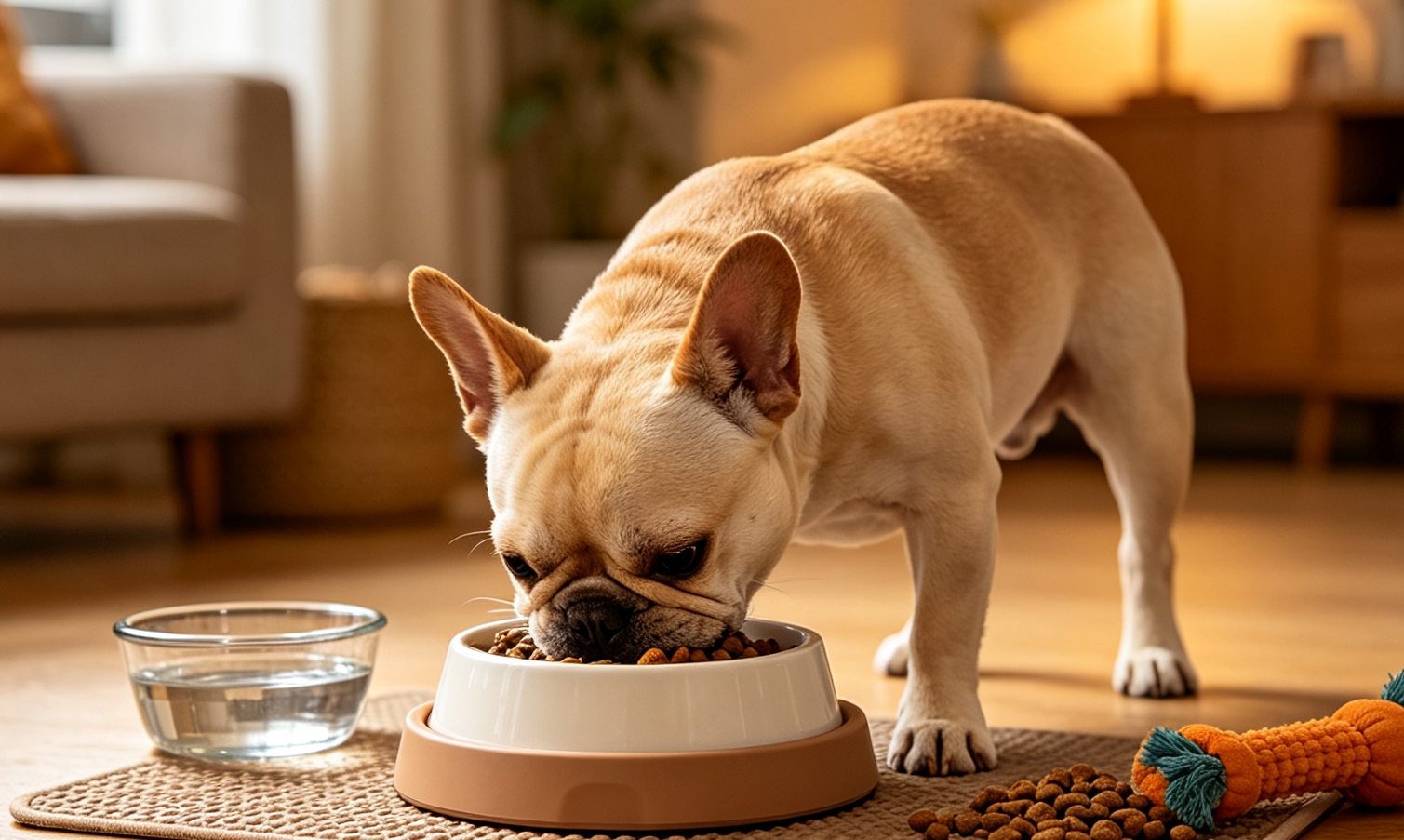
2. Weighted Material or Built-In Counterweight Design: Stainless steel bowls may come with removable weight inserts, while some brands feature hollow double walls that can be filled with sand or water to add mass. Ceramic bowls already carry natural heft. In one case, I switched an extra energetic Frenchie to a water-fillable stainless steel bowl; once filled, its weight increased drastically. No matter how hard the dog nudged, the bowl only twisted slightly in place and never tipped over again.
3. Slightly Raised, Inward-Tilting Rim: This design delivers two key benefits: it stops kibble from splashing out easily, and when the dog nudges with its nose, the curved rim guides force upward instead of sliding the bowl outward.
Solution 2: Use Slow Feeder Bowls to Solve Two Problems At Once
Slow feed bowls are game-changers for French Bulldogs that eat too quickly. Beyond preventing tipped bowls, they protect canine health by stopping bloating and vomiting caused by rapid ingestion—especially vital for this breed prone to respiratory and digestive troubles.
Slow feed bowls feature internal maze ridges, block obstacles or spiral channels. Dogs must maneuver their tongues around barriers to access kibble, drastically slowing their eating pace. When focused on navigating food mazes, they make fewer violent head movements and apply far less impact force to the bowl.
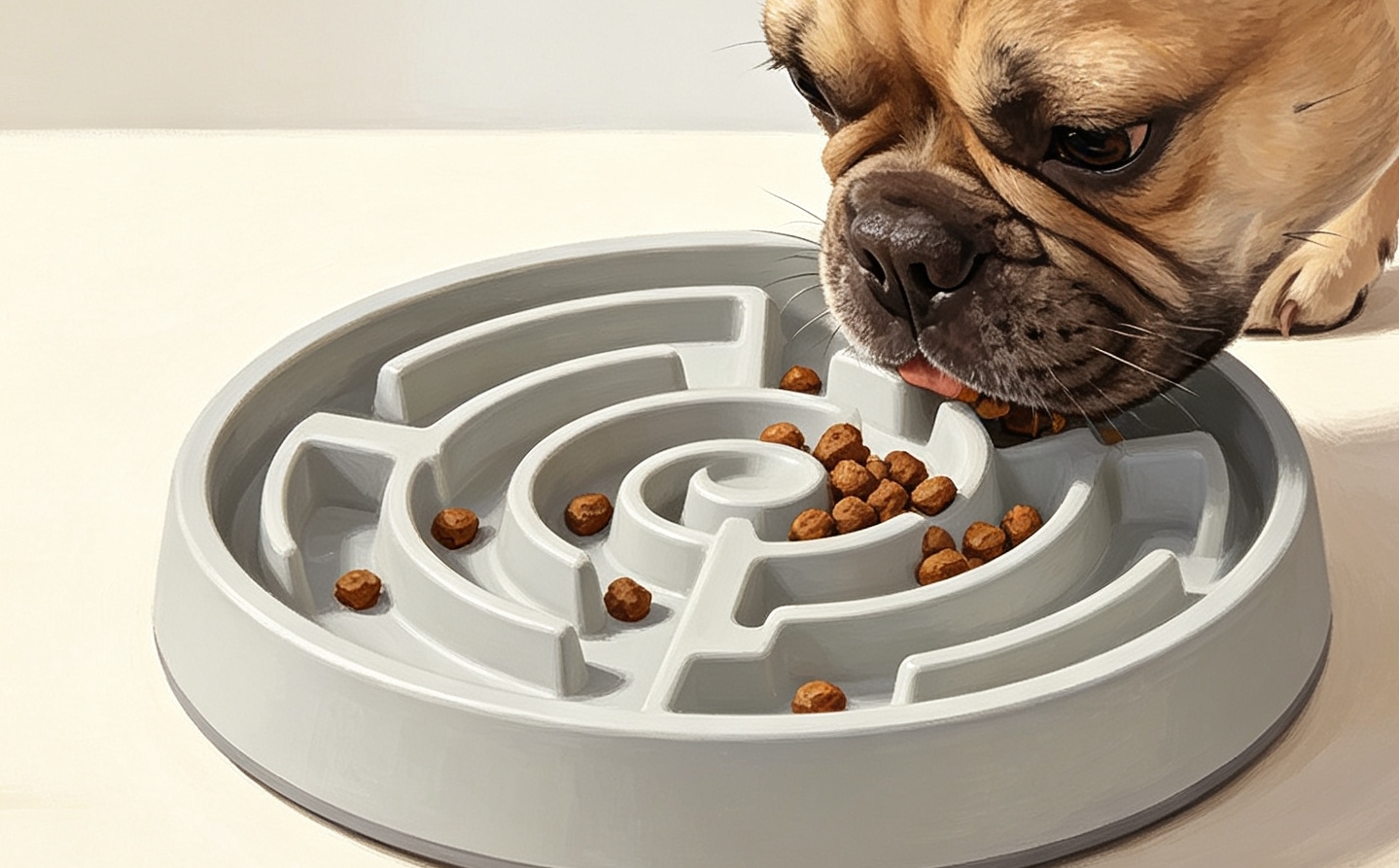
My Practical Tip: Some owners report their dogs grow frustrated or refuse meals with new slow feeders. My advice is to transition gradually. Place the slow feeder next to their old bowl at first, fill the slow feeder with premium treats like freeze-dried meat and add a small amount of kibble to the old bowl to spark curiosity. Once they adapt fully, serve all meals in the slow feeder. I’ve watched countless Frenchies transform from frantic eating machines into calm, patient puzzle-solvers.
Solution 3: Elevate & Secure Bowls for an Optimal Feeding Posture
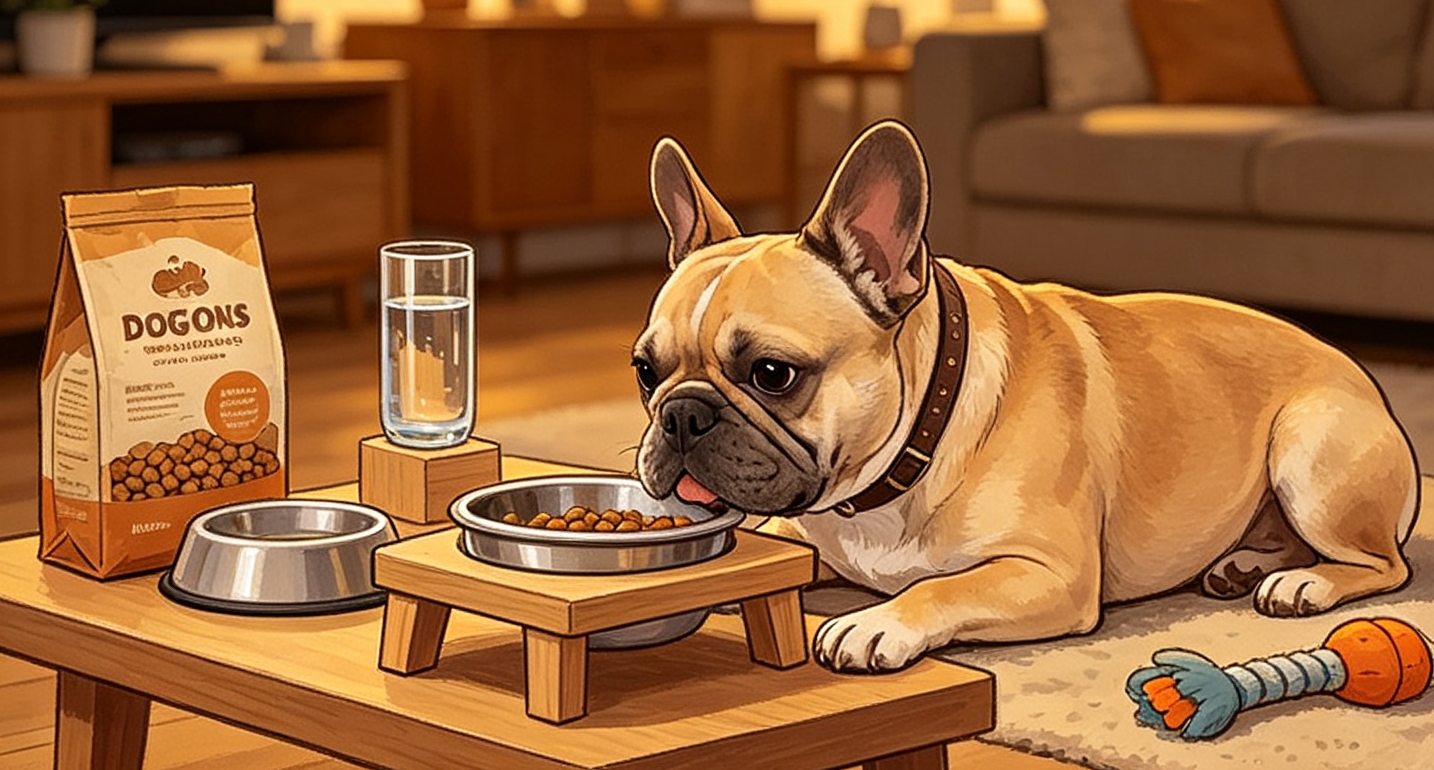
Given French Bulldogs’ short necks, elevating bowls to shoulder or elbow height creates a more natural upright feeding posture. This eases neck strain, improves swallowing and cuts down excess air intake. Most importantly, raised stands stop bowls from being pushed forward by the dog’s chest.
You can purchase dedicated pet feeding tables or adjustable bowl risers. One critical detail: ensure the stand itself is stable and non-slip, and the bowl fits snugly into recessed slots, or fasten securely with built-in clips and velcro straps. One client created a DIY setup: a heavy non-slip ceramic bowl fixed with removable heavy-duty velcro to a short, non-slip stool of perfect height, with outstanding results.
Mistake Avoidance Guide: Bowl Types Unsuitable for French Bulldogs
Avoid the following bowl styles during your shopping process:
1. Lightweight Flat-Bottom Plastic Bowls: These tip over the easiest. Their light weight and smooth bases offer zero resistance against nudging Frenchies.
2. Narrow-Base or Oddly Shaped Tall Bowls: Decorative thin pedestal bowls are top-heavy and extremely unstable.
3. Overly Smooth Shallow Slow Feed Mazes: Some slow feeders have shallow ridges or slippery surfaces that let kibble slide out effortlessly, eliminating the slow-feeding effect and frustrating your dog. Choose models with deep, defined ridges and moderate surface friction.
4. Bowls That Cannot Be Secured to Risers: If you opt for an elevated feeding setup, double-check the fit between bowl and stand. Loose fittings risk both the bowl sliding off and the stand tipping over, creating double cleanup trouble.
Summary
Selecting a proper non-tip bowl for your French Bulldog is a loving investment in their daily life. It requires full understanding of the breed’s unique traits, prioritizing stability and anti-slip grip, utilizing slow-feeding maze designs to regulate eating behavior, and adding elevated secured stands to optimize feeding posture. Combining these three methods eliminates scattered kibble forever, letting your Frenchie enjoy meals while building polite dining habits. Remember: a great feeding bowl is more than just a food container—it’s a tool protecting your dog’s long-term health.
Important Reminder
A quick friendly note to all pet parents: the methods shared in this article target behavioral feeding issues. If after switching bowls your French Bulldog still shows extreme anxiety, excessive drooling, obvious swallowing difficulty, frequent choking, bloating, labored breathing or vomiting post-meal, stop your current feeding routine immediately and schedule a vet visit. These symptoms may signal jaw malformation, esophageal disorders or more severe underlying health conditions requiring professional veterinary diagnosis and treatment. Love your Frenchie with scientific, responsible care.